

Five key operational precautions for driving scrubber dryers
1. Familiarize yourself with the operation manual and conduct equipment inspections
Read the manual: Before using a driving scrubber, be sure to read and understand the operation manual carefully. Different brands and models of scrubbers may have some operational differences, and familiarizing yourself with the manual can ensure correct and safe operation of the equipment.
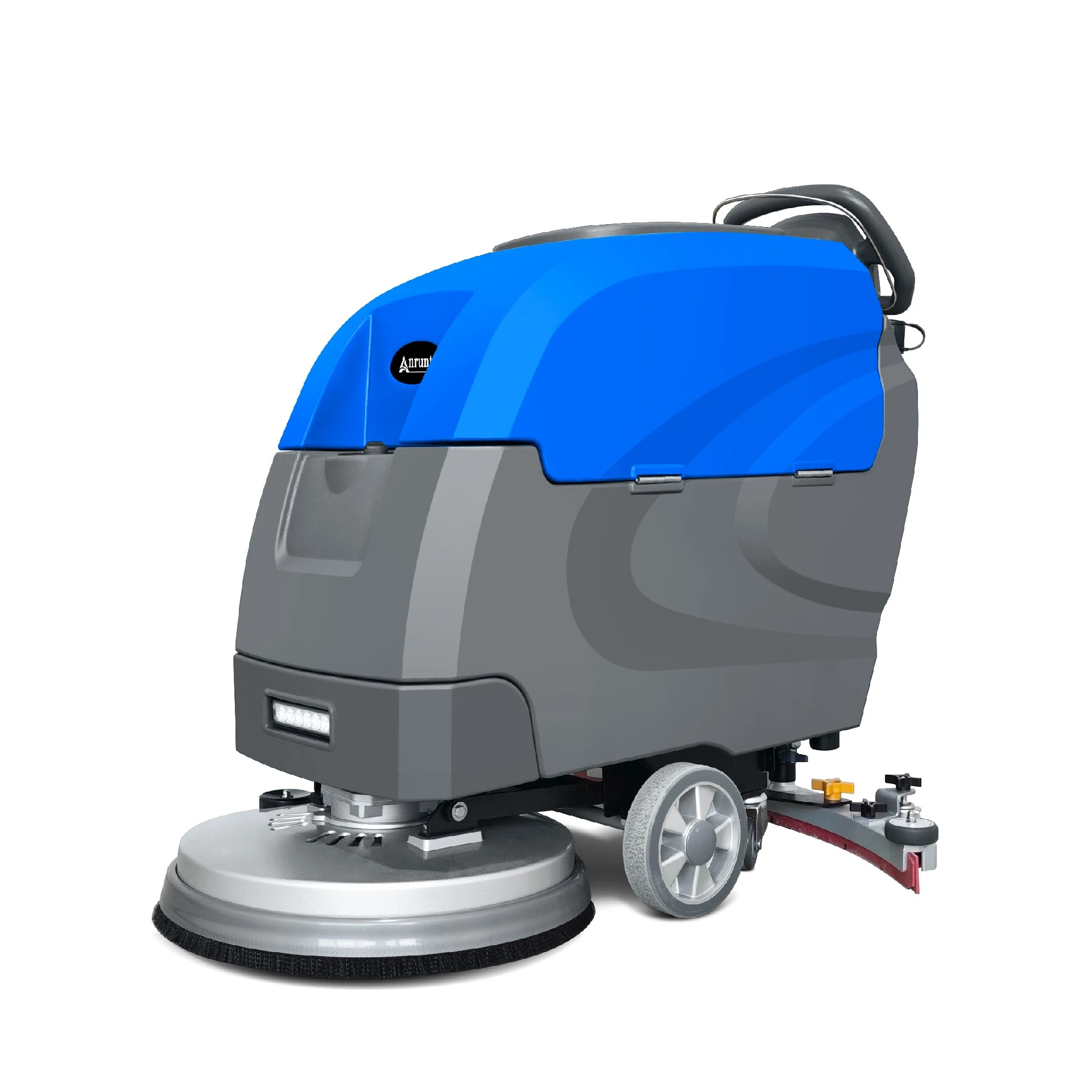
Equipment inspection: Before each use, the floor scrubber should be thoroughly inspected to ensure that all functions are normal, the battery is fully charged, the water tank is clean and free of impurities, and the brush disc and suction scraper are undamaged and properly installed.
II. Keep the work area clean and tidy
Clearing obstacles: Before starting to use the floor scrubber, it is necessary to remove large pieces of debris and obstacles such as stones and metal scraps from the ground to prevent these obstacles from damaging the scrubber's brush disc or other components and affecting the cleaning effect.
Choose a suitable environment: Avoid using the floor scrubber on wet or heavily waterlogged floors to prevent safety issues such as electric leakage or short circuits. Additionally, do not operate the floor scrubber on slopes or slippery floors that exceed its design limits.
III. Safety operation specifications
Personal protection: Operators should wear appropriate personal protective equipment, such as safety shoes, protective glasses, and gloves, to prevent accidental injuries.
Safety devices: Ensure that the safety devices of the floor scrubber (such as emergency stop buttons, protective covers, etc.) are functioning properly, and be prepared to respond to emergencies at any time during operation.
Smooth driving: When operating the floor scrubber, maintain a steady speed to avoid poor cleaning results caused by driving too fast or too slow. When turning or in narrow areas, flexibly adjust the control lever and accelerator pedal to ensure the floor scrubber can travel smoothly and cover the entire work area.
IV. Proper selection and use of cleaning agents
Cleaner selection: Choose the appropriate cleaner based on different floor types and cleaning needs. The wrong cleaner may damage the flooring material or reduce the cleaning effect. Therefore, before using a cleaner, be sure to read the label and instructions of the cleaner.
Proper addition: Add an appropriate amount of detergent to the clear water tank according to the proportion, and fill it with clear water to the appropriate level. Avoid adding too much detergent, which may lead to waste or ground pollution.
V. Regular maintenance and upkeep
Daily cleaning: After each use, the water tank, brush disc, suction blade, and other components of the floor scrubber should be promptly cleaned to prevent residues from corroding the equipment or affecting the effectiveness of the next use.
Regular inspection: Regularly check whether the fastening screws of the floor scrubber are loose, and whether any parts are worn or damaged. If necessary, replace or repair them in a timely manner.
Battery management: Regularly check the battery level and charging status to avoid excessive discharge or insufficient charging, which can affect the service life of the equipment. Before the battery level reaches the lower limit, promptly move the floor scrubber to the charging position to replenish the battery.
Wanzhi Industrial
Avenue, Wuhu,
Anhui, China
Whatsapp:+86 186 0553 5575
Phone:+86 186 0553 5575
ryder@anrunto.com
Do you have questions about how we can help your company? Send us an email and we’ll get in touch shortly.